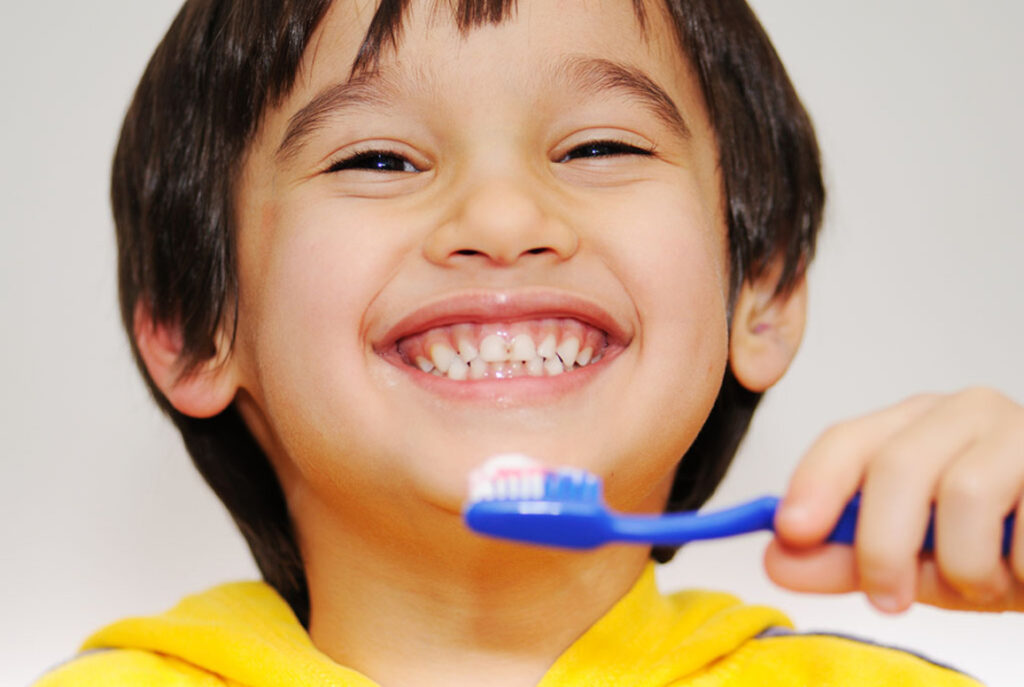
Looking for expert advice on flossing and oral hygiene? Dr. Manish Pathak, a trusted dentist near me, at Pathak Dental Clinic offers professional guidance to keep your teeth and gums healthy.
- Flossing is an important procedure to clean the gaps between teeth that the toothbrush isn’t able to reach.
- Oral hygiene has several crucial procedures which include brushing and flossing.
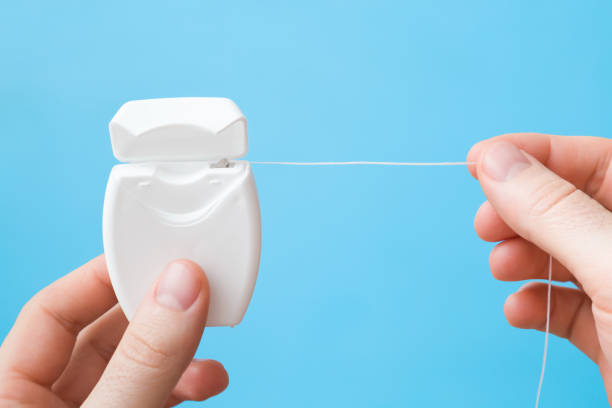
- Dental floss is a thin cord made up of nylon filament.
- It is used to clean food debris and plaque stuck between the teeth.
- Flossing can prevent various gum diseases like gingivitis, periodontitis, etc.
- It is rightly said that food debris is an open invitation for bacteria to make their ground. To prevent such an outcome, flossing must be taken seriously during the cleaning of teeth.
- Brushing and flossing are two key procedures to maintain oral health. They are also important to prevent oral cavities.
- Lodged food leads to bad breath therefore it is necessary to clean it. Flossing techniques thoroughly clean the gaps between teeth and help to produce fresh and pleasant breath.
Tools Used For Flossing :
- Interdental Brush
*Interdental brushes also called interproximal brushes are used to clean spaces between teeth, braces, bridges, implants, etc.
*They are available in various sizes, forms, shapes, etc. according to their use.
*They come in a cylindrical shape and are smaller than a normal toothbrush and are very easy to use.
*They are color-coded along with different sizes :
- Pink – 0.4 mm
- Orange – 0.45 mm
- Red – 0.5 mm
- Blue – 0.5 mm
- Yellow – 0.7 mm
- Green – 0.8 mm
- Violet – 1.1 mm
- Black – 1.5 mm
They are of various shapes like :
*Conical/ Pine shaped: It is used for orthodontic appliances and implants.
*Straight Cylindrical
*Thin
*Ultrathin
Floss should be used without applying any force. It is supposed to be inserted between the spaces of teeth. The motion used is “in and out”.
It should be done once daily without the use of a toothbrush.
Types Of Floss :
- Waxed floss :
*It is made up of nylon material, a thread-like structure coated with a waxed layer, making it stronger and unbreakable.
*Easy to use and can be moved smoothly between the teeth. It is a bit thicker than other flossing materials, making it harder to reach thinner gaps and
spaces.
- Unwaxed floss :
*Commonly used floss which is also made up of nylon material.
*It can easily be channeled in small spaces as it is thinner in structure.
*It is more prone to breaking.
*Unwaxed floss is usually used in crowded teeth.
- Dental tape :
*It is thicker and used in people with bigger gaps.
- Poly tetra fluoroethylene floss :
*It is very strong and can smoothly glide between gaps of crowded teeth.
- Super floss :
*It is mostly recommended in patients with bridges, implants, braces, etc.
*It is made up of regular floss, spongy floss, and stiff end threader making it are easier to use under a bridge.
*It can effectively remove food debris from dental appliances.
How To Floss Your Teeth :
- Take about 18-20 inches of dental floss and wrap it around your index finger and thumb. Leave about 1 to 2 inches of floss for using it between the teeth.
- Hold the floss firmly with your fingers and gently move it between the teeth in an “up and down” motion. Rub the floss around both sides of the teeth so that all the lodged food can be removed. Do not move the floss into the gums as it may cause injury.
- Repeat the same steps for all the teeth.
- Clean floss must be used for every use.
- Brushing, flossing, and mouthwash together build unbreakable protection for the mouth.
Frequently Asked Questions (FAQ)
1. Why is flossing important for oral hygiene?
Flossing removes plaque and food stuck between teeth where a toothbrush cannot reach, preventing cavities, gum disease, and bad breath.
2️. How often should I floss my teeth?
Dentists recommend flossing once daily for healthy teeth and gums.
3️. What is the correct way to floss your teeth?
Use 18–20 inches of floss, slide it gently between teeth in an up-down motion, and clean both sides of each tooth without hurting the gums.
4️.Which type of dental floss is best?
Waxed floss, unwaxed floss, dental tape, super floss, and PTFE floss are all effective. The choice depends on your teeth spacing, braces, or dental implants.
5️. Can flossing stop bleeding gums?
Yes. Bleeding gums are often a sign of gingivitis. Regular flossing reduces inflammation and improves gum health over time.
6️. Are interdental brushes better than floss?
Interdental brushes are helpful for braces, bridges, wide gaps, and implants. For tight spaces, dental floss is more effective.
7️.What happens if you don’t floss your teeth?
Skipping flossing can lead to plaque buildup, tooth decay, gum infections, and bad breath.
8️. Where can I get expert guidance on proper flossing techniques?
Visit Pathak Dental Clinic – Dr. Manish Pathak, the trusted dentist near me, for personalized oral hygiene tips and professional dental care.
Call Now: +91 9762126132
Find the clinic here: Get direction
Address: 11/11 Akurdi Chikhli Road, Near Dwarka Collection, Kasturi market, Sambhaji Nagar, Thermax Chowk, Below Nutan Jewellers, Chinchwad, Pune,
Pimpri-Chinchwad, Maharashtra 411019