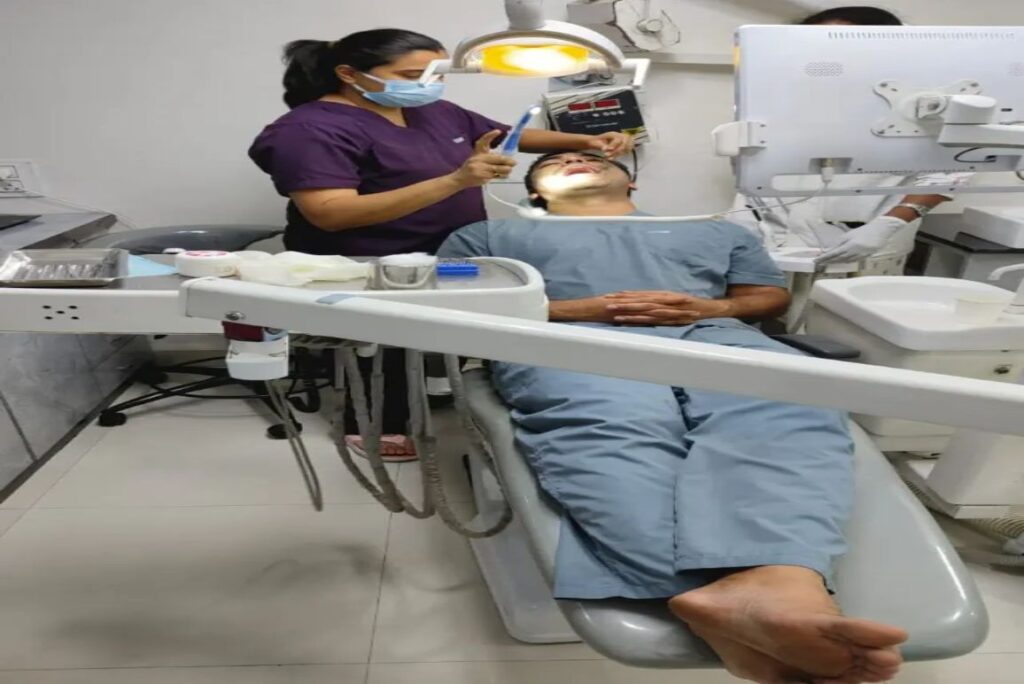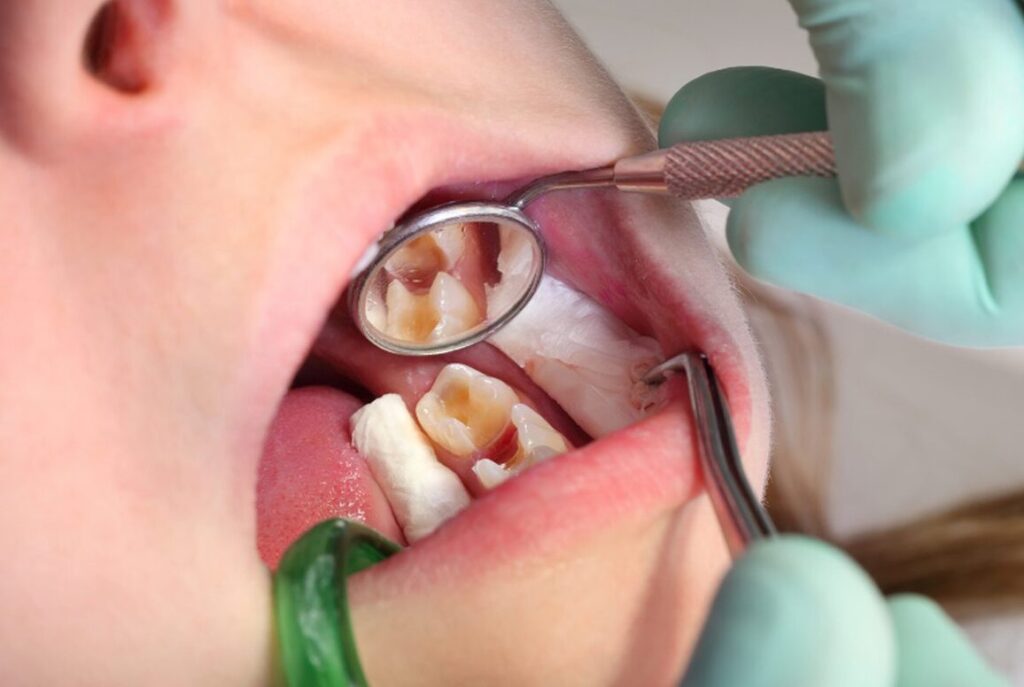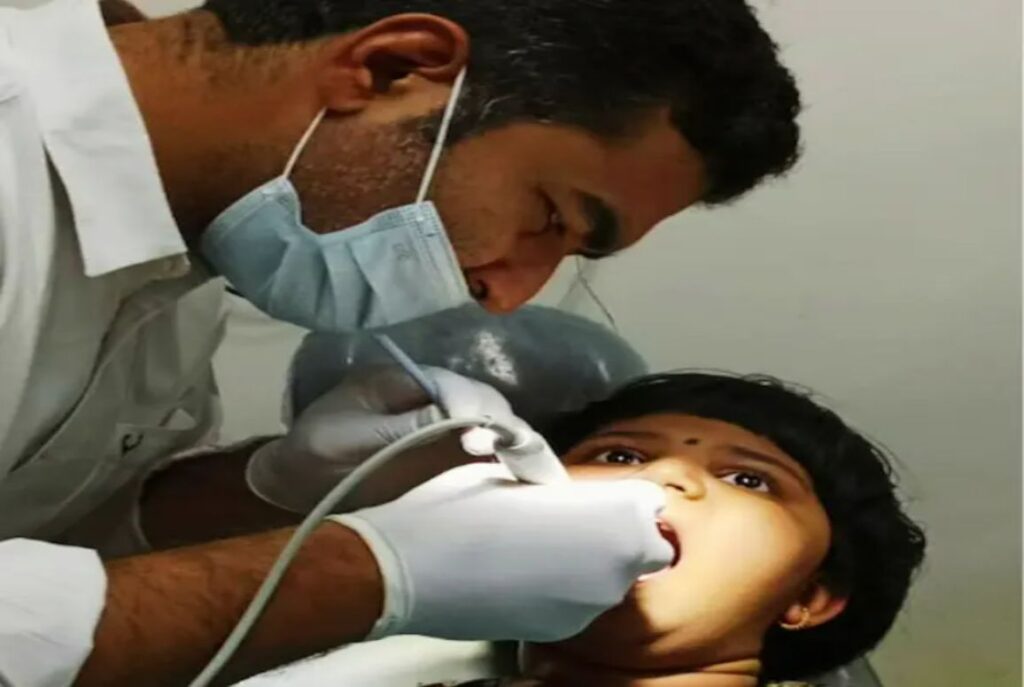
“Root canal” a commonly heard term, everyone is aware of. But, the actual procedure is known only by a few individuals. The treatment in which, the soft centre portion of the tooth is removed and replaced with biocompatible synthetic material, to preserve the natural tooth and get rid of pain caused by infection due to bacterial invagination.
Root Canal procedure
When the tooth decay caused by bacteria, spreads to an extent where it invaginates the pulp ( i.e, the pink portion of the tooth which has vessels and nerves) and the patient starts to feel pain, the root canal treatment (RCT) has to be done.
What happens in a root canal procedure?
- Removal of caries and infected pulp – this is done under local anaesthesia, the affected tooth is drilled to remove caries, followed by the extirpation of pulp from the exposed root canal, with the use of hand instruments.
- Biomechanical preparation – in this step, the canals are prepared to receive the synthetic restorative material. The canal is re-cleaned and can be done by the use of the hand as well as rotary instruments.
- Obturation – this is the final step, which includes proper irrigation with root canal irrigants and filling the canals with gutta-percha which is a biocompatible material, and the canals are sealed. The crown portion is filled with temporary cement followed by permanent cement.
Tooth after the treatment
After the treatment, the tooth loses its vitality due to the removal of nerves and vessels supplying it, thus the tooth becomes brittle and is prone to fracture. The root canal treatment must be followed by crown placement which will protect the tooth from fracture And enhance the treatment results.
How long will a root canal last?
Like any other medical or dental procedure, the root canal can last a long time based on the maintenance and care given by the patient. However, being weaker than the natural teeth, a properly treated tooth with a cap can survive 12 – 15 years or further.
Conclusion–
“Root canal treatment is painful“, it is the common misconceptions about a root canal. But Latest RCT technology has helped root canal treatment to become more comfortable and completely painless. Visit your root canal dentist near me for more information about root canal treatment.
Frequently Asked Questions (FAQs)
1. What is a root canal treatment
Root canal treatment is a dental procedure used to remove infected pulp tissue from the inner portion of a tooth, clean and disinfect the canals, and fill them with a biocompatible material like gutta-percha to preserve the natural tooth.
2. When is a root canal treatment needed
A root canal is required when tooth decay or infection reaches the pulp, causing pain, swelling, or sensitivity. It helps prevent the infection from spreading and saves the tooth from extraction.
3. What happens during a root canal procedure
The root canal procedure includes three main steps — removal of infected pulp, cleaning and shaping of the canals, and filling and sealing with gutta-percha. Finally, the tooth is restored with a crown for protection and strength.
4. Is root canal treatment painful
Modern root canal procedures are painless and performed under local anesthesia. At Pathak Dental Clinic, Pune, we ensure a comfortable and stress-free experience using advanced endodontic techniques.
5. Why is a dental crown important after root canal treatment
After RCT, the tooth becomes brittle because its blood supply and nerves are removed. Placing a dental crown helps protect the tooth from fracture, restore chewing function, and improve longevity.
6. How long does a root canal-treated tooth last
With proper care and oral hygiene, a root canal-treated tooth can last 12–15 years or even longer, especially when followed by timely crown placement and regular dental check-ups.
7. What to do after root canal treatment
After RCT, avoid chewing hard foods on the treated tooth until the crown is placed. Maintain good oral hygiene, brush gently, and follow up with your root canal specialist for check-ups and crown fitting.
8. What are the don’ts after root canal treatment
Avoid eating hard, sticky, or crunchy foods, skipping dental visits, and ignoring mild discomfort after RCT. Always complete the crown placement as advised to ensure long-term success of the treatment.
Find the clinic here: Get direction
Call– +919762126132
Address: 11/11 Akurdi Chikhli Road, Near Dwarka Collection, Kasturi market, Sambhaji Nagar, Thermax Chowk, Below Nutan Jewellers, Chinchwad, Pune, Pimpri-Chinchwad, Maharashtra 411019