A baby’s first teeth are small, but they play an important role in chewing, speaking, facial development, and guiding permanent teeth into the correct position. However, young children can develop cavities surprisingly early. One common condition is baby bottle tooth decay, also known as early childhood caries (ECC).
If your child has white spots, brown marks, sensitive teeth, or visible cavities, early dental care can help prevent the problem from becoming more serious. At Pathak Dental Clinic, Dr. Manish Pathak, a pediatric dentist in Pune, provides child-friendly dental care and guidance to help parents protect their children’s teeth.
If you are searching for a pediatric dentist in Pune, children’s dentist near me, or a kids dental clinic in Pimpri Chinchwad, understanding the causes and warning signs of baby bottle tooth decay is an important first step.
What Is Baby Bottle Tooth Decay?
Baby bottle tooth decay refers to tooth decay that develops in infants and young children, particularly when their teeth are frequently exposed to milk, formula, juice, sweetened drinks, or other sources of sugar.
The condition is now more commonly described as early childhood caries, because tooth decay in young children has multiple contributing factors—not just bottle feeding. The American Academy of Pediatric Dentistry notes that ECC can involve biological, dietary, oral-hygiene, developmental, and social factors.
The risk can become higher when a baby regularly sleeps with a bottle or continuously drinks sugary liquids from a bottle or sippy cup.
What Causes Baby Bottle Tooth Decay?
Several factors can contribute to tooth decay in babies and toddlers.
1. Sleeping With a Bottle
Putting your child to sleep with a bottle containing milk, formula, juice, or another drink can allow liquid to remain around the teeth for an extended period. During sleep, saliva flow decreases, reducing the mouth’s natural ability to clear food and drink from the teeth.
For this reason, parents are advised to avoid putting children to bed with a bottle containing anything other than water.
2. Frequent Sugary Drinks
Frequent exposure to sugar increases the risk of cavities. Juice, sweetened beverages, sugary milk drinks, and other sweet liquids can contribute to early childhood caries.
It is not only the amount of sugar that matters. How frequently the teeth are exposed to sugar also plays an important role.
3. Poor Oral Hygiene
Even baby teeth need regular cleaning. When plaque and food deposits remain on the teeth, bacteria can use sugars to produce acids that gradually damage tooth enamel.
Parents should begin cleaning their baby’s gums even before the first tooth appears and start brushing once teeth erupt.
4. Prolonged Bottle or Sippy Cup Use
Continuous sipping from a bottle or sippy cup containing milk, juice, or another sugary drink keeps the teeth exposed for longer periods. The AAP recommends transitioning children from a bottle toward cup drinking around the first birthday.
5. Frequent Sugary Snacks
Sticky sweets, sweetened snacks, dried fruits, gummy candies, and frequent between-meal sugary foods can increase the risk of tooth decay. Reducing frequent sugar exposure is an important part of preventing cavities in young children.
What Are the Symptoms of Baby Bottle Tooth Decay?
Early tooth decay may not always cause pain. Parents should regularly check their child’s teeth for changes.
Common signs include:
- White or chalky spots on the teeth
- Yellow, brown, or dark areas
- Small pits or holes in the teeth
- Sensitivity while eating or drinking
- Toothache or discomfort
- Difficulty chewing
- Swollen gums around an affected tooth
- Bad breath
- Visible cavities or broken areas of the tooth
White spots can be an early warning sign of enamel mineral loss, so parents should not wait for a cavity or toothache before scheduling a dental examination.
If you notice white spots on your baby’s teeth, cavities in your toddler’s front teeth, or signs of tooth pain, consult a pediatric dentist promptly.
How Can Parents Prevent Baby Bottle Tooth Decay?
The good news is that many risk factors for early childhood caries can be reduced through simple daily habits.
Brush Twice a Day
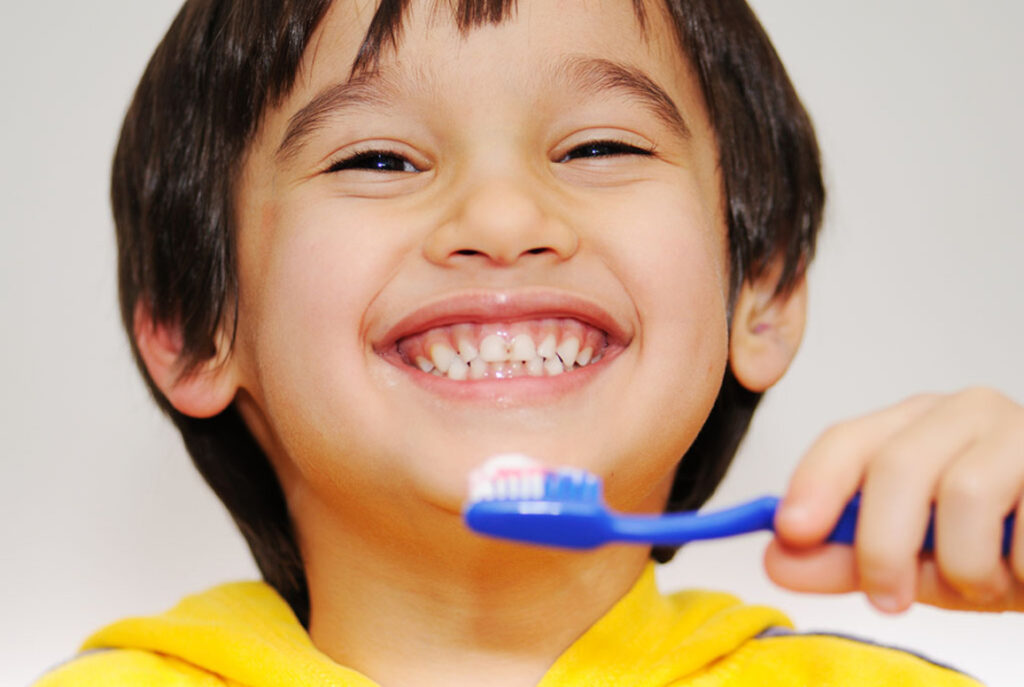
Once your child’s first tooth appears, establish a regular brushing routine. Parents should help young children brush their teeth using an age-appropriate soft toothbrush and fluoride toothpaste in the recommended amount.
Avoid Bedtime Bottles
Do not use a bottle containing milk, formula, or juice as a way to help your child fall asleep. If your child needs a drink between meals, plain water is generally the preferred option.
Reduce Frequent Sugar Exposure
Avoid giving sugary drinks and snacks repeatedly throughout the day. Encourage healthy meals and make water the regular drink between meals.
Start Dental Visits Early
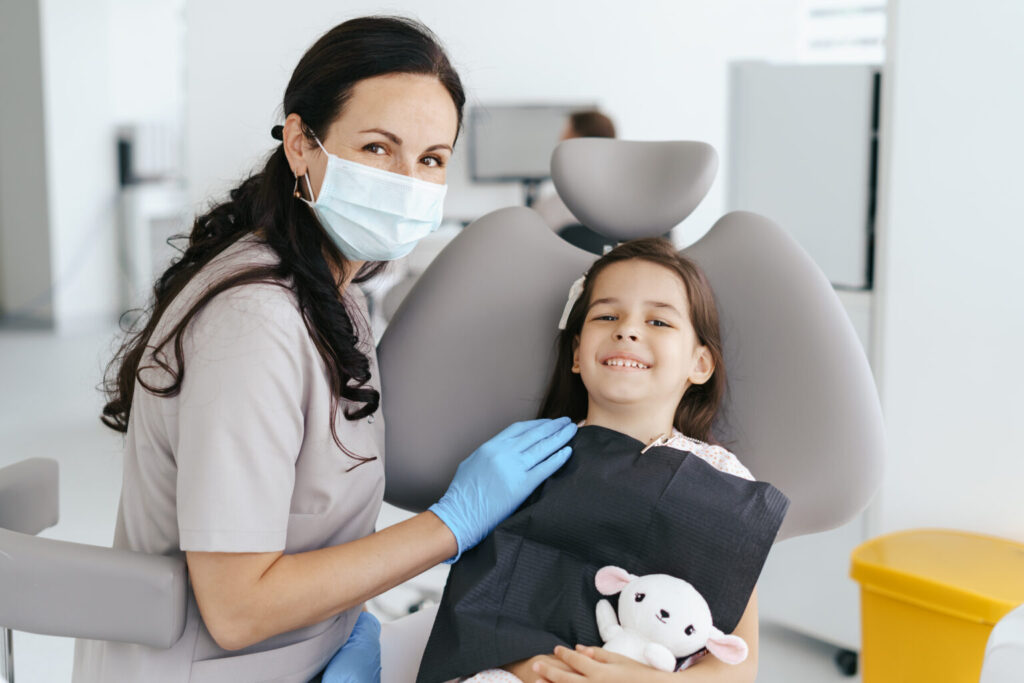
The AAPD recommends establishing a dental home within six months of the first tooth erupting and no later than 12 months of age. Early visits allow a dentist to identify risk factors, examine developing teeth, and guide parents about brushing, diet, fluoride, and feeding habits.
Ask About Fluoride Protection
Depending on your child’s individual cavity risk, a dentist may recommend professional fluoride applications or other preventive measures. Fluoride helps strengthen tooth enamel and can play an important role in preventing tooth decay.
Why Treat Baby Teeth if They Will Fall Out?
Baby teeth are temporary, but they are still important. Untreated decay can cause pain, difficulty eating, infection, and premature loss of primary teeth. Severe untreated caries can sometimes progress to infection requiring more extensive dental treatment.
Healthy primary teeth also help children chew properly, develop clear speech, and maintain space for permanent teeth.
When Should You Visit a Pediatric Dentist in Pune?
Parents should consider a dental visit if their child has tooth pain, white spots, brown discoloration, visible cavities, swollen gums, sensitivity, or difficulty eating.
If you are looking for a pediatric dentist in Pune, kids dentist in Pimpri Chinchwad, children’s dental clinic near Chinchwad, or a dentist for baby tooth cavities in Pune, early professional evaluation can help identify problems before they become more complicated.
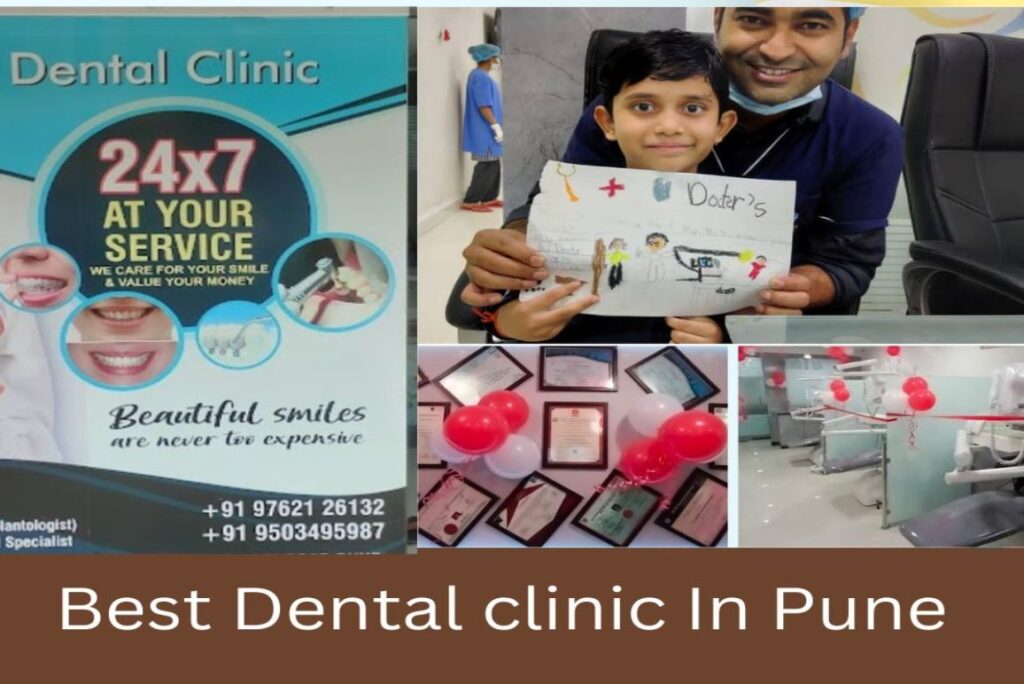
Pathak Dental Clinic provides pediatric dental care in Chinchwad, Pimpri-Chinchwad. Dr. Manish Pathak focuses on helping parents understand their child’s dental needs and maintaining healthy teeth from an early age.
Protect Your Child’s Smile From the Start
Baby bottle tooth decay is preventable in many cases with good oral hygiene, healthy feeding habits, reduced sugar exposure, and regular dental check-ups. Do not ignore early signs such as white spots or discoloration—even if your child is not experiencing pain.
For parents searching for a pediatric dentist in Pune, best children’s dentist near me, or kids dental clinic in Pimpri Chinchwad, an early dental consultation can help protect your child’s primary teeth and build healthy oral-care habits for life.
Book a dental consultation with Dr. Manish Pathak at Pathak Dental Clinic and take the first step toward a healthier smile for your child.
Call Now: +919762126132
Address: 11/11 Akurdi Chikhli Road, Near Dwarka Collection, Kasturi market, Sambhaji Nagar, Thermax Chowk, Below nutan Jewellers, Chinchwad, Pune, Pimpri-Chinchwad, Maharashtra 411019