Introduction
Wisdom teeth, also known as third molars, are the last set of teeth to develop, usually appearing between the ages of 17 and 25. While some people experience no issues with their wisdom teeth, many develop impacted wisdom teeth, which fail to erupt properly due to lack of space or improper alignment.
If left untreated, impacted wisdom teeth can lead to severe dental complications that affect not only the surrounding teeth but also your overall oral health. At Pathak Dental Clinic Pune, led by Dr. Manish Pathak, we help patients identify and treat impacted wisdom teeth before they cause long-term damage.
In this comprehensive guide, you’ll learn what impacted wisdom teeth are, the risks of leaving them untreated, warning signs to watch for, and when wisdom tooth removal becomes necessary.
What Is an Impacted Wisdom Tooth?
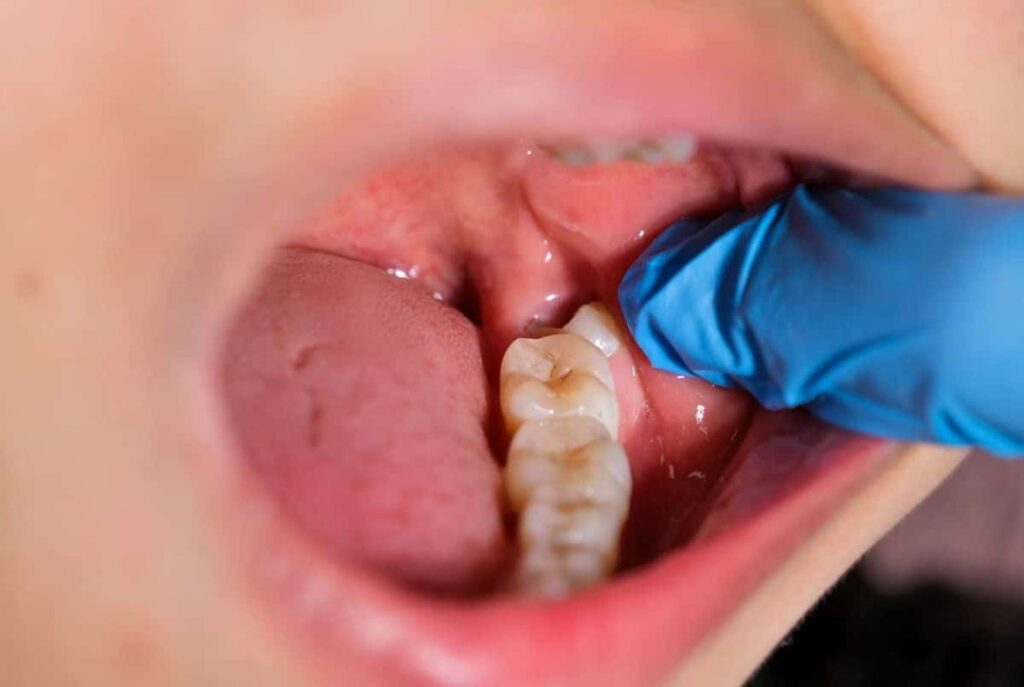
An impacted wisdom tooth is a tooth that cannot fully emerge through the gums because there isn’t enough room in the jaw. Instead of erupting normally, it may grow sideways, remain trapped beneath the gums, or only partially emerge.
There are four common types of wisdom tooth impaction:
- Mesial Impaction: Tooth tilts toward the front of the mouth.
- Vertical Impaction: Tooth remains upright but cannot erupt completely.
- Horizontal Impaction: Tooth grows sideways and pushes against neighboring teeth.
- Distal Impaction: Tooth tilts toward the back of the mouth.
Horizontal and mesial impactions are among the most common and often require surgical removal.
Why Do Wisdom Teeth Become Impacted?
Several factors contribute to wisdom tooth impaction:
- Small jaw size
- Lack of space for eruption
- Abnormal tooth positioning
- Genetic factors
- Delayed eruption
- Crowding caused by existing teeth
Modern diets and evolutionary changes have also reduced jaw size in many individuals, making impacted wisdom teeth increasingly common.
What Happens If You Don’t Remove Impacted Wisdom Teeth?
Ignoring an impacted wisdom tooth may seem harmless if it isn’t causing pain initially. However, many impacted teeth gradually lead to serious dental complications.
1. Persistent Pain and Discomfort
The earliest symptom is often intermittent pain near the back of the mouth. As pressure builds against surrounding teeth and jawbone, discomfort becomes more frequent.
Patients may experience:
- Jaw pain
- Ear pain
- Headaches
- Difficulty chewing
- Pain while opening the mouth
The discomfort usually worsens over time if left untreated.
2. Infection Around the Wisdom Tooth
Partially erupted wisdom teeth create an ideal environment for bacteria.
Food particles become trapped beneath the gum flap, leading to an infection called Pericoronitis.
Common symptoms include:
- Swollen gums
- Bad taste in the mouth
- Persistent bad breath
- Pus discharge
- Difficulty swallowing
- Fever in severe cases
Repeated infections can significantly affect your oral and general health.
3. Damage to Adjacent Teeth
An impacted wisdom tooth often pushes against the second molar.
Continuous pressure may cause:
- Tooth decay
- Root damage
- Bone loss
- Increased sensitivity
- Loosening of nearby teeth
In severe cases, patients may lose an otherwise healthy neighboring tooth.
4. Tooth Decay
Cleaning partially erupted wisdom teeth is extremely difficult.
Food accumulation increases the risk of cavities in both the wisdom tooth and adjacent molars.
Since these areas are hard to reach with a toothbrush, decay often progresses unnoticed.
5. Gum Disease
Food and bacteria trapped around impacted wisdom teeth can inflame the surrounding gums.
Over time this may lead to:
- Gingivitis
- Periodontitis
- Gum recession
- Bleeding gums
- Bone loss
Advanced gum disease may eventually affect multiple teeth.
6. Formation of Dental Cysts
In some cases, the sac surrounding an impacted wisdom tooth fills with fluid, forming a cyst.
These cysts can:
- Destroy jawbone
- Damage nearby teeth
- Cause swelling
- Weaken the jaw
- Require surgical treatment
Although uncommon, untreated cysts can become quite large.
7. Jawbone Damage
Long-standing impacted teeth can gradually weaken the surrounding jawbone.
This may lead to:
- Bone loss
- Reduced bone support
- Increased fracture risk (rare)
- More complicated future surgeries
Early removal generally results in faster healing.
8. Crowding of Nearby Teeth
While research is mixed regarding wisdom teeth causing crowding, impacted third molars may place pressure on neighboring teeth in certain individuals.
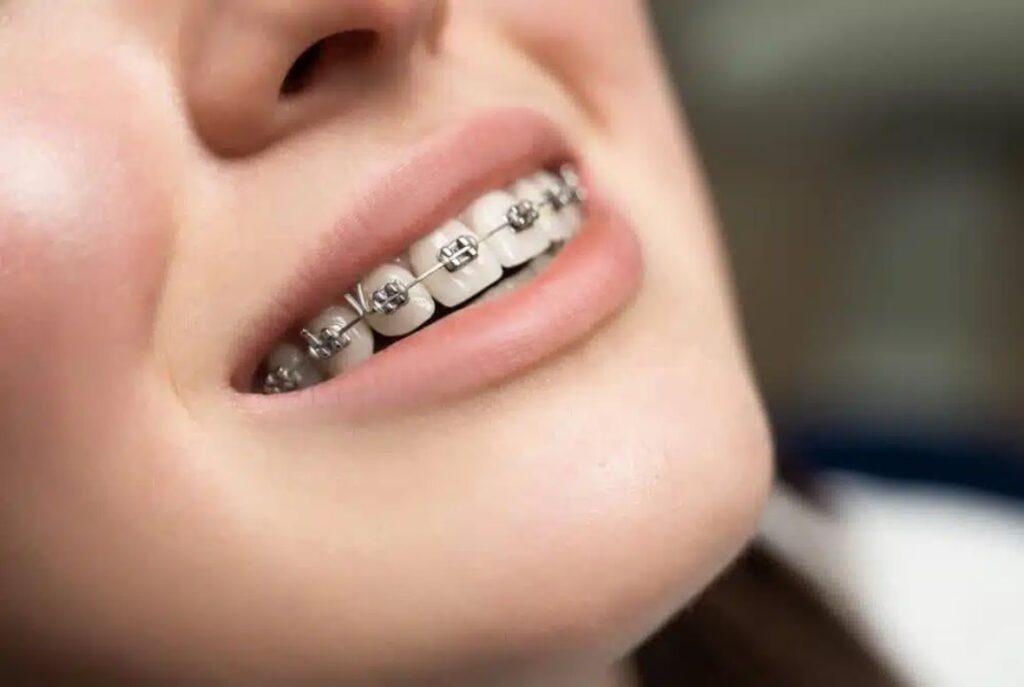
Patients who have undergone orthodontic treatment should continue regular dental check-ups to monitor wisdom tooth development.
9. Chronic Bad Breath
Food trapped around partially erupted wisdom teeth allows bacteria to multiply.
This often causes:
- Persistent bad breath
- Unpleasant taste
- Difficulty maintaining oral hygiene
Professional cleaning alone may not resolve the issue if the tooth remains impacted.
10. Difficulty Opening the Mouth
Advanced infections around impacted wisdom teeth can affect the jaw muscles.
Patients may experience:
- Jaw stiffness
- Limited mouth opening
- Pain while chewing
- Difficulty speaking
Immediate dental treatment is recommended if these symptoms occur.
Warning Signs You Should Never Ignore
Visit a dentist immediately if you notice:
- Pain at the back of the mouth
- Swollen gums
- Bleeding around wisdom teeth
- Bad breath that doesn’t improve
- Difficulty chewing
- Jaw swelling
- Ear pain
- Repeated infections
- Difficulty opening your mouth
- Pus discharge near the tooth
Early diagnosis prevents more complex dental problems.
How Are Impacted Wisdom Teeth Diagnosed?
At Pathak Dental Clinic Pune, Dr. Manish Pathak performs a detailed examination that may include:
- Clinical oral examination
- Digital Dental X-rays
- OPG (Panoramic X-ray)
- Assessment of tooth position
- Evaluation of surrounding bone and nerves
- Personalized treatment planning
These diagnostic tools help determine whether monitoring or removal is the best option.
Is Wisdom Tooth Removal Always Necessary?
Not every impacted wisdom tooth requires extraction.
Removal is generally recommended when the tooth is:
- Causing pain
- Repeatedly infected
- Damaging nearby teeth
- Associated with cyst formation
- Causing decay
- Contributing to gum disease
- Difficult to clean properly
- Preventing orthodontic treatment
If the tooth is fully impacted, healthy, and not causing problems, your dentist may recommend periodic monitoring.
What Happens During Wisdom Tooth Removal?
Wisdom tooth extraction is a routine dental procedure.
The treatment usually involves:
- Clinical examination
- Local anesthesia
- Gentle removal of the tooth
- Cleaning the surgical site
- Placement of stitches if required
- Post-operative care instructions
Most patients can return to their normal routine within a few days, although complete healing may take several weeks depending on the complexity of the extraction.
Recovery Tips After Wisdom Tooth Removal
For faster healing:
- Rest for the first 24 hours.
- Apply an ice pack to reduce swelling.
- Eat soft foods like yogurt, soup, mashed potatoes, and khichdi.
- Avoid smoking and alcohol.
- Do not use a straw for the first few days.
- Maintain good oral hygiene as advised by your dentist.
- Take prescribed medications on time.
- Attend your follow-up appointment.
Following these instructions helps reduce the risk of complications such as dry socket and infection.
Why Choose Pathak Dental Clinic Pune?
At Pathak Dental Clinic Pune, we are committed to providing safe, comfortable, and advanced dental care for patients of all ages.
Why patients trust us:
- Led by Dr. Manish Pathak, an experienced dental professional
- Comprehensive diagnosis using modern digital imaging
- Gentle and patient-focused approach
- Advanced techniques for wisdom tooth removal
- Strict sterilization and infection control protocols
- Personalized treatment plans
- Transparent guidance and post-operative support
- Comfortable clinic environment in Pune
Our goal is to ensure that every patient receives effective treatment with maximum comfort and long-term oral health in mind.
Frequently Asked Questions (FAQs)
Can I keep an impacted wisdom tooth if it doesn’t hurt?
Yes, in some cases. However, even painless impacted wisdom teeth should be monitored regularly because hidden problems can develop over time.
Is wisdom tooth removal painful?
The procedure is performed under local anesthesia, so you should not feel pain during the extraction. Mild discomfort afterward is normal and can usually be managed with prescribed medication.
What age is best for wisdom tooth removal?
Many dentists recommend evaluation between the ages of 17 and 25, as younger patients often heal more quickly and the procedure may be less complex.
Can impacted wisdom teeth cause headaches?
Yes. Pressure, inflammation, or infection from an impacted wisdom tooth can sometimes contribute to jaw pain, headaches, or discomfort that radiates toward the ear.
How long does recovery take?
Most people recover enough to resume normal activities within 3–7 days, while complete healing of the extraction site may take several weeks.
Conclusion
Ignoring an impacted wisdom tooth can lead to pain, infections, tooth decay, gum disease, damage to neighboring teeth, cyst formation, and other oral health complications. Early evaluation and timely treatment can help prevent these problems and preserve your smile.
If you’re experiencing discomfort at the back of your mouth or suspect an impacted wisdom tooth, schedule a consultation at Pathak Dental Clinic Pune. Led by Dr. Manish Pathak, our team provides comprehensive evaluation, expert guidance, and safe wisdom tooth treatment tailored to your individual needs, helping you maintain a healthy smile for years to come.
Address: 11/11 Akurdi Chikhli Road, Near Dwarka Collection, Kasturi market, Sambhaji Nagar, Thermax Chowk, Below Nutan Jewellers, Chinchwad, Pune, Pimpri-Chinchwad, Maharashtra 411019
Find Clinic Here: Get Direction
Call: +91 9762126132